


‘Getting through another winter night’: Russian strikes leave Kyiv without heat as winter deepens
- Polina Kozlova

- Jan 26
- 3 min read

A major Russian aerial assault on Ukraine has left large parts of Kyiv without heating, water and electricity as winter temperatures hover around –10 C, Ukrainian officials said last Wednesday.
The overnight barrage involved drones, cruise missiles and ballistic missiles targeting energy and civilian infrastructure across the country. At least four people were killed and dozens were injured, according to Ukrainian authorities.
More than half of Kyiv’s residential buildings and government facilities, including the Ukrainian parliament, were left without heat following the Russian attack. Officials said the strikes damaged infrastructure that had only recently been restored, further straining the capital’s energy system.
Ukraine’s air force stated that its air defences intercepted many incoming targets, but the cost of repelling the assault exceeded €80 million in interceptor missiles alone.
The attack forced more than 10,000 residents, including hundreds of children, to shelter overnight in Kyiv’s metro system, which continues to serve as a refuge during air raid alerts. Emergency workers distributed blankets and hot drinks as temperatures dropped overnight.
Russia has repeatedly targeted Ukraine’s energy infrastructure since launching its full-scale invasion nearly three years ago, a strategy Ukrainian officials say is intended to weaken civilian morale during the winter months.
For residents, the latest strikes have intensified daily hardships.
Andrii Pikulia, a 19-year-old student living in Kyiv, said he bought a space heater weeks ago after reports warned of potential disruptions to the city’s heating system.
“The temperature in my room is about 17 degrees, even with the heating in the radiators,” Pikulia said. “When the news started spreading that there would be problems with heating, I decided to buy a heater. As it turned out, I didn’t make a mistake — it helps a lot.”
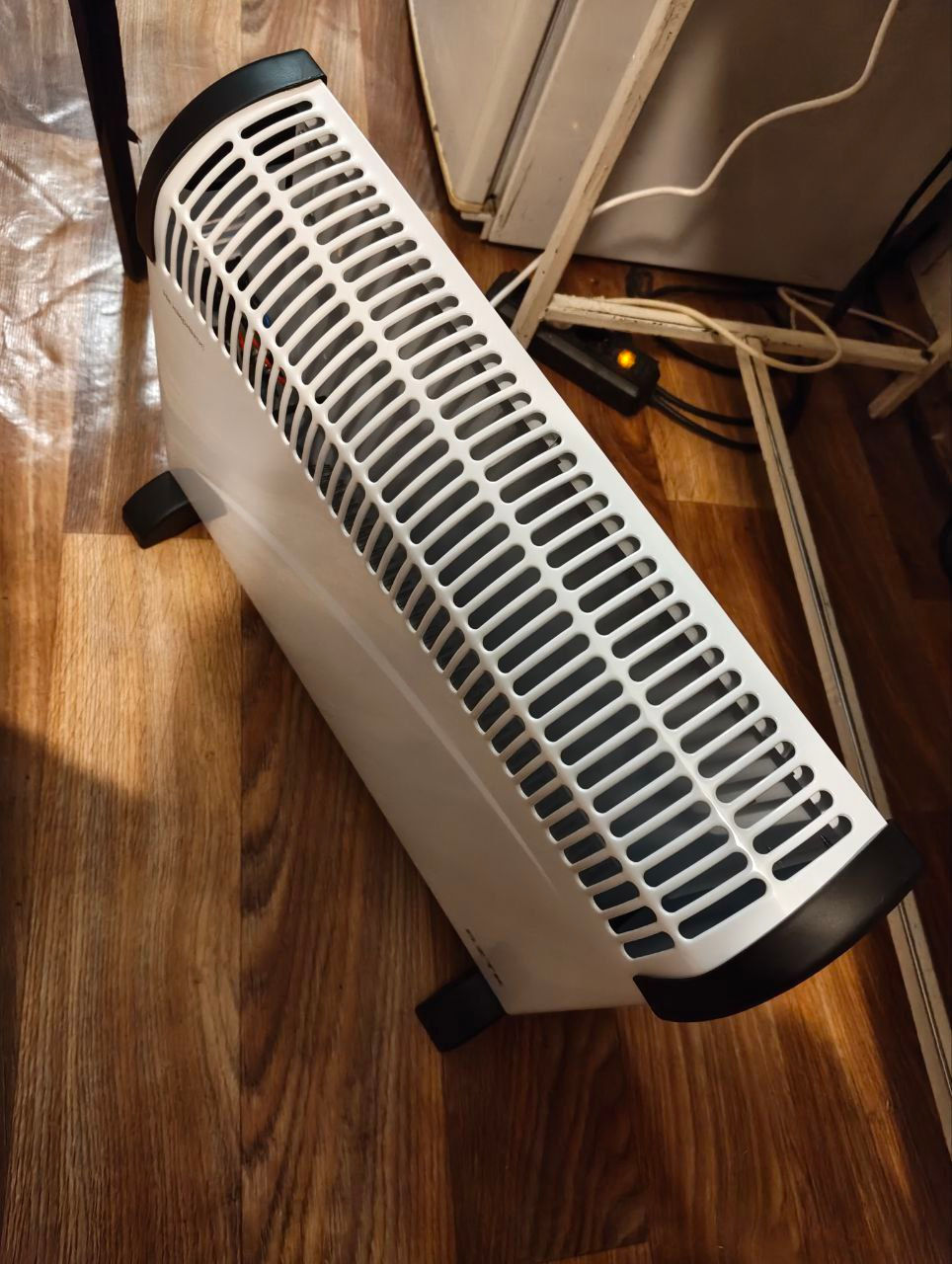
He said power outages have also complicated food storage, as electricity is often unavailable for long stretches.
“At best, we have electricity for half the day,” Pikulia said. “My freezer completely thawed, so I have to find ways to preserve food.”

Ukrainian officials said emergency repair crews began work as soon as air raid warnings were lifted, but cautioned that restoring heat and power could take days in some neighbourhoods because of the scale of the damage and ongoing security risks.
Prime Minister Denys Shmyhal accused Russia of deliberately targeting critical infrastructure during freezing conditions, calling the attacks a violation of international humanitarian law.
“Russia is once again trying to turn winter into a weapon,” Shmyhal said in a statement.
The assault comes as Ukraine faces growing pressure on its air defence systems, which rely heavily on Western-supplied interceptors. President Volodymyr Zelenskyy has repeatedly urged allies to accelerate deliveries of air defence missiles, warning that shortages could leave cities increasingly vulnerable.
Military analysts stated that Russia appears to be combining drones with cruise and ballistic missiles to overwhelm Ukrainian defences and exhaust interceptor stockpiles — a costly tactic for both sides.
Despite the damage, Kyiv Mayor Vitalii Klitschko said the city remains resilient and urged residents to conserve electricity where possible.
For civilians like Pikulia, preparation has become essential.
“These are not just inconveniences,” Pikulia said. “It’s about staying warm, keeping food and getting through another winter night.”


Comments